
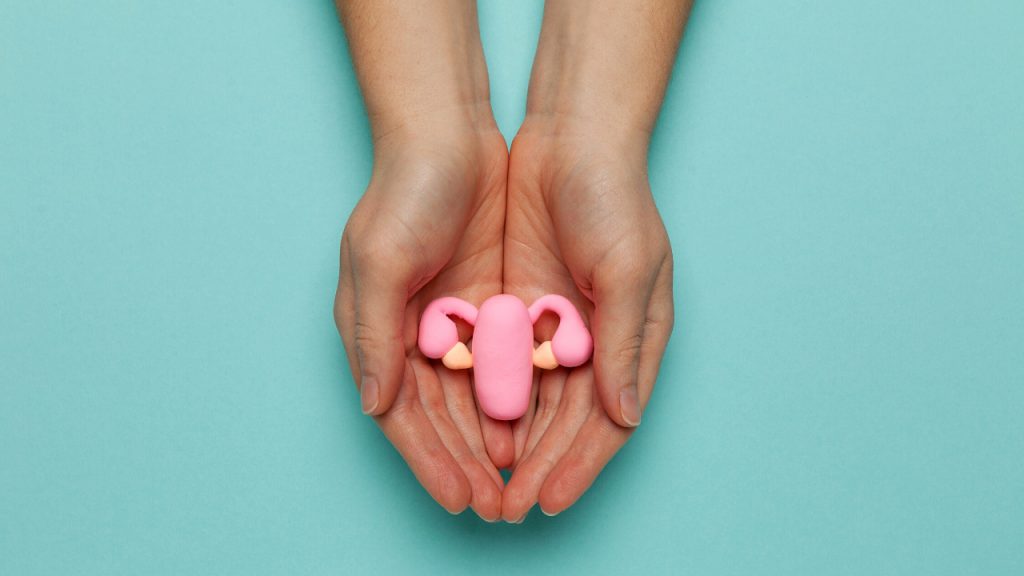
Uterine fibroids (also known as leiomyomas or myomas) are incredibly common – in fact, it’s estimated that as many as 77% of women of reproductive age could have them. And this statistics may be even higher, considering not all women with fibroids have symptoms, leaving you none-the-wiser.
What are Fibroids?
Fibroids are non-cancerous lumps of tissue found in the uterus. While you can have just a single fibroid, it’s most common to have more than one. They occur when a single muscle cell in the wall of the uterus multiplies and grows. They can change the shape or size of the uterus and sometimes the cervix.

How can fibroids harm fertility?
It’s important to note that not all fibroids affect fertility, it really depends on where they’re located and how big they grow.
Fibroids can harm your fertility in the following ways:
Sperm and egg can’t meet, due to:
- Changes in the shape of the cervix can affect the number of sperm that can enter the uterus
- Changes in the shape of the uterus can interfere with the movement of the sperm or embryo
- Fallopian tubes can be blocked by fibroids
The embryo can’t implant, due to:
- The fibroids impacting the size of the lining of the uterine cavity
- Limited blood flow to the uterine cavity, decreasing the ability of an embryo to implant to the uterine wall
How can fibroids affect pregnancy?
Unfortunately fibroids may also increase your risk for complications if you do fall pregnant. These include:
- Foetal growth restriction due to decreased room in the womb
- Placental abruption – where the placenta breaks away from the uterine wall because it’s blocked by a fibroid, reducing vital oxygen and nutrients
- Preterm delivery – where pain from fibroids can lead to uterine contractions
- Caesarean delivery – women with fibroids are 6 times more likely to need a C-section
- Breech position – because of the abnormal shape of the cavity, the baby may not be able to align for vaginal delivery
- Miscarriage – research shows the changes for miscarriage are doubled in women with fibroids
The Good News
The good news is, research on uterine fibroids has revealed a number of things we can do to reduce our risk of developing fibroids, as well as halting and even decreasing their growth.
Firstly, what should we be avoiding?
The exact cause of fibroids is unclear, but research suggests it might be a combination of genetic, hormonal and environmental factors. While we can’t change our genetics, or our hormones to a large extent, there are certain diet and lifestyle factors that have been linked to increased fibroid risk that we do have control over. These include:
- Alcohol – Women who drink alcohol seem to be more likely to have fibroids than those who don’t. This is believed to be because women who drink alcohol tend to produce excess oestrogen hormones.
- Caffeine – High intakes of caffeine have also been found to impact hormone levels which may cause fibroid production. But if you love your coffee as much as we do, don’t panic – we’re talking here about more than 500mg per day, which equates to around 8 coffees!
- Red meat – Studies suggest that women who consume more of these foods are more likely to develop fibroids.
- Food additives – Research suggests that women who have a higher intake of food additives such as colours, artificial flavours and preservatives, have a higher risk of developing uterine fibroids than those who consume more whole foods.
- Bisphenol A (BPA) – Studies show that Bisphenol A (BPA) found in plastic may be one of the main reasons why rates of fibroids have been on the rise.
- High GI foods – One study on 59,000 African-American women showed that high dietary glycaemic index may be associated with increased fibroid risk. So what are high GI foods? White bread, white rice, white potatoes and cakes are a few.

What foods can help if you have fybroids?
Besides avoiding the things we just mentioned, research also shows that there are certain foods that can help reduce our risk, like:
- Fruits and vegetables – Studies suggest that fruit and vegetables are some of the best foods to eat when it comes to reducing the risk of fibroids. The research suggests the need for at least four servings per day of fruit and vegetables.
- Dairy products – There are conflicting opinions surrounding dairy and fibroids, but some studies do suggest that a higher intake of dairy foods is protective.
- Unsaturated fats – Monounsaturated and polyunsaturated fats appear to be protective against uterine fibroids. Look at consuming healthier fats such as extra virgin olive oil, avocado, oily fish and nuts and seeds.
- Vitamin D – Studies have shown that taking Vitamin D in the short-term can halt fibroid growth, and with long-term consumption this amazing nutrient can even shrink them! Did you know Ovitae Pre-Conception & Pregnancy Support contains Vitamin D?

Yes, it is possible that fibroids can harm your fertility and impact on your ability to carry a pregnancy successfully, but…keep in mind that most women won’t experience any effect.
If you’ve been struggling with your fertility for a while, have discomfort, heavy bleeding or painful periods, we recommended seeing your GP and having a routine ultrasound to investigate whether fibroids might be the cause.
While fibroids can’t be prevented, these tips may lower your risk and boost your fertility regardless!
Click here to grab your bottle now!
Until next time,
The team at Ovitae xo
* This article is intended for general purposes only. Please see your doctor for individualised advice.
